

Stereotype #1: Fashion is expensive
‘Being well dressed
hasn’t much to do with having good clothes. It’s a question of good balance and
good common sense.’
Fashion is frequently connected with the wealthy or privileged. However, this myth must be contradicted because fashion is infused in everyone, whether consciously or unconsciously.
Fashion
can be found not just on the highways or in designer showrooms, but also on the
streets, in thrift stores, and even from street sellers. Fashion is an art form.
The pipeline idea is an excellent method to comprehend this: Designers and trend-setters are the ones who first present an item, and it quickly develops popularity thanks to media outlets.

As time goes on, it becomes a mass-market copy and, eventually, it is discounted to the point where it can be purchased by individuals on a budget. One doesn’t necessarily need to buy Prada bags or Versace t-shirts, as art also lies in styling in a way to make the ordinary look extraordinary.
Everyone can afford fashion, from designers to premium brands, fast-fashion retailers to vintage stores, it is accessible to everyone. But styling different clothes to inhabit them in your own style is the real art.

Stereotype #2: Rigidity in gender roles and norms
"Conformity is the only real fashion
crime. To not dress like yourself and to sublimate your spirit to some kind of
group identity is succumbing to fashion fascism.’'
Ladies
in gowns, and men in suits, ladies in heels and men in boots, ladies in
pink and men in blue, ladies overdressed and men having no clue.
There was a period when gender
constraints in terms of fashion were strict, and it was rare to see anyone
crossdress. However, in today's world, these arguments are no longer relevant
and are out of date, as the distinctions between right and wrong are becoming
increasingly blurred.

We could notice the difference between a woman's pearls and a man's tie earlier. On the streets today, we frequently see men and women wearing the same Nike sneakers.
It's not that today's fashion
brands aren't trying to differentiate between genders in their clothing, but
there's a reason why they're doing so.
Those 'labels' must be removed from the style. As a result, the design must deconstruct sex assumptions in terms of clothing trends.

To name a few, Jaden Smith is known for wearing skirts, pansexual status is reflected in her clothing style, and transgender models like Tracey Norman and Valentina Sampaio are just a few. Fashion, like the rest of the world, is losing its labels.
Stereotype #3: It is all about
celebs and designers
"Fashion
is not something that exists in dresses only. Fashion is in the sky, in the
street, fashion has to do with ideas, the way we live, what is happening"
It is misleading that fashion is
reserved for a select group of people, namely designers, supermodels, and movie
stars. Many other important titles make up the fashion family, which serves as
the industry's backbone.
Fashion journalists, forecasters,
managers, graphic designers, photographers, public relations, merchandisers,
stylists, sales associates, account managers, creative directors, wage workers,
technical designers, and others may not be photographed by paparazzi in
outrageous outfits, but the industry would not have survived if they weren't
there.

As a result, anyone interested in
working in this industry does not need to be a talented designer or model. It's
critical to find your own niche and stick with it.
Stereotype #4: Fashion is
short-lived
"There's never a new
fashion but it's old."
Fashion is well-known for its ever-changing nature. While it is true that fashion moves quickly from one trend to the next, this does not imply that the nature of fashion is inevitably temporary.
Consider a simple white tee and blue jeans, a little black dress, or a pair of
leather jackets as winter essentials; these are styles that have found a
permanent home in people's closets.
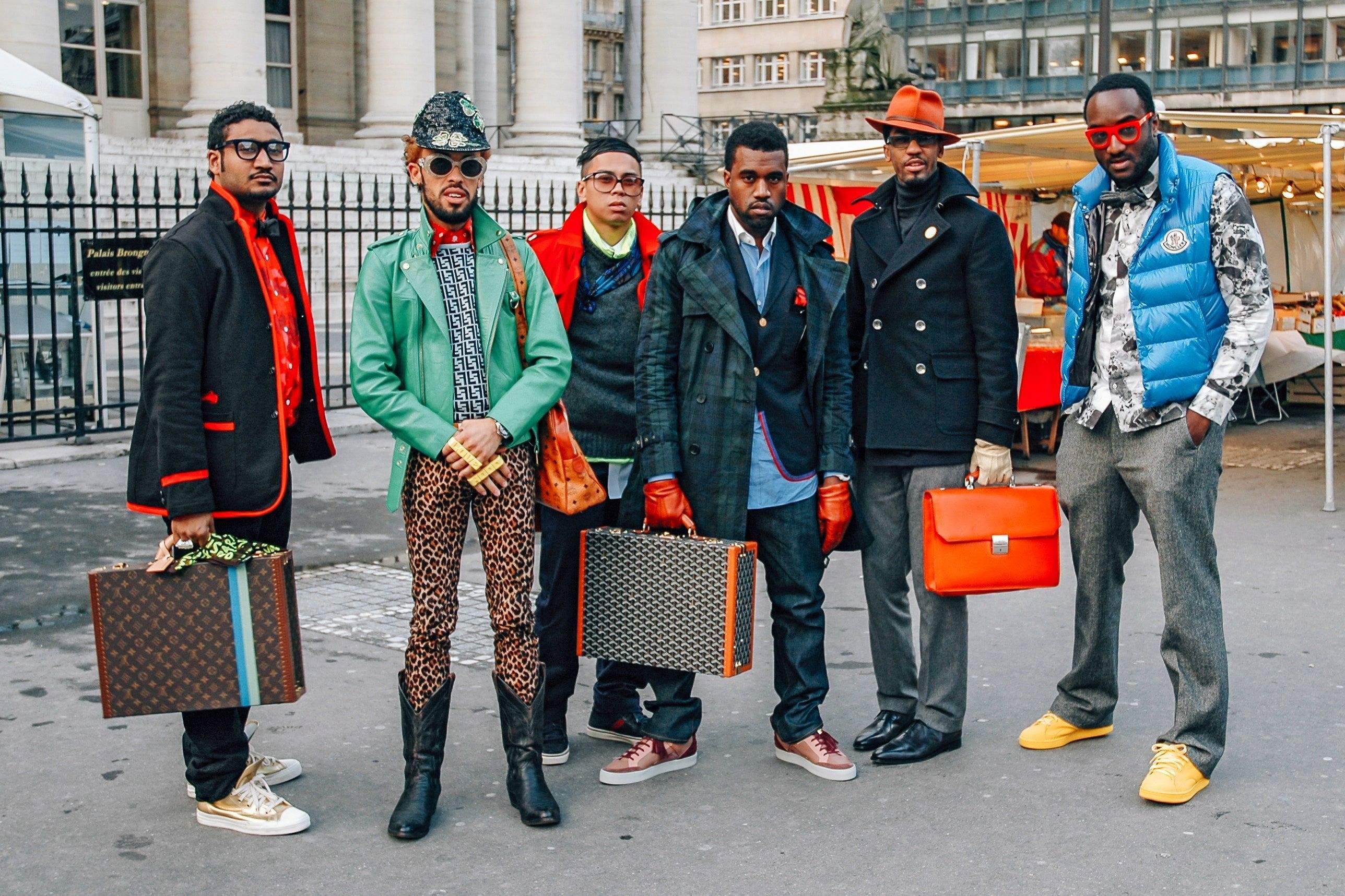
The ability to take inspiration from
the old or classics and give it a modern flair is what makes a company, brand,
or individual stylish. Fashion is cyclical, and trends have a propensity of
resurfacing in a more advanced form.
0 Response to "Breaking Barriers: Stereotypes of the Fashion Industry"
Post a Comment